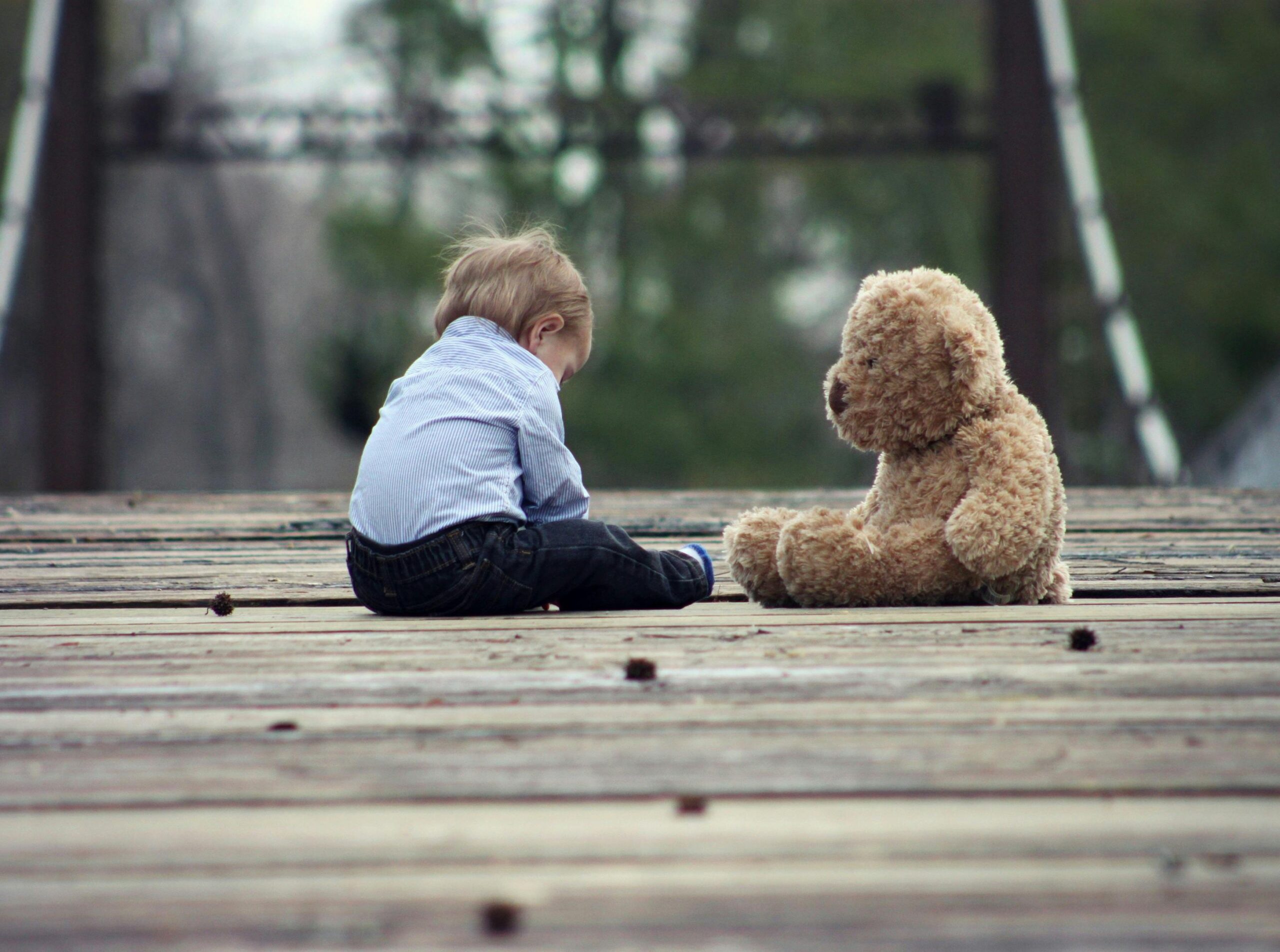
In a quiet corner of the house, a child sits cross-legged, absorbed in conversation. There’s no one else in the room (at least, not that we can see). But to the little girl chatting away, her companion is very real: an imaginary friend perched right beside her, nodding and giggling at all the right moments. In another home, a toddler snuggles deep under the blankets with his threadbare teddy bear, whispering secrets into its velveteen ear as though it were a trusted confidant. Scenes like these play out in countless households around the world. Children have an uncanny gift for breathing life into the lifeless, for finding friendship, courage, and comfort in objects that adults see as mere cloth and stuffing or even thin air. What makes young minds so devoted to their dolls, toys, and invisible pals? The answer lies in the rich psychology of childhood imagination and attachment.
Comforting Companions
From the earliest years of life, many children develop intense attachments to special objects: a fraying blanket, a plush bunny missing an eye, a favorite doll with a scuffed face. To any outsider, these items might seem insignificant or well-worn. But to the child, they can be as important as a best friend or a family member. Psychologists call these cherished items “comfort objects” or transitional objects, a term coined by pediatrician Donald Winnicott in the mid-20th century. A transitional object is typically the first “not-me” possession a child chooses, meaning something that isn’t part of their own body, yet feels like an extension of themselves. Classic examples are the security blanket clutched by a baby at bedtime, or the teddy bear that a preschooler drags everywhere as their constant companion.
Why do children become so attached to these objects? Part of it is about security and emotional comfort. Imagine a baby taking their first small steps away from a parent’s arms. It’s both exciting and frightening. The world is big and full of new experiences, and the child is gradually learning that they are a separate person from their caregiver. A beloved blanket or stuffed toy helps bridge that gap. It carries the familiar scent of home or parent, it’s soft to the touch, and it’s reliably present when Mommy or Daddy can’t be. In a sense, the object becomes a stand-in for the caregiver’s comfort. If a child wakes up in the middle of the night feeling lonely or scared, hugging their worn-out plush dog can soothe them almost as well as a loving parent’s hug. The item is tangible reassurance that they are not alone.
These comfort objects often emerge around the time children first face regular separations. For instance, when they start daycare or sleeping in their own room, the presence of a special item can ease the transition. Roughly half of all young children (and in some studies, even more) develop a strong attachment to a specific object during early childhood. They may insist that the raggedy toy accompany them everywhere: clutched in tiny hands at the playground, tucked into their backpack at preschool, maybe even sneaked onto the dinner table. To the child, this object has a personality and a kind of soul. They might talk to it, sing to it, and certainly feel responsible for its well-being. A little girl might scold her teddy bear gently for “being scared” at the doctor’s office, or reassure her doll, “I won’t leave you behind,” when they go on a trip. Through these gestures, children are externalizing their own feelings. The toy becomes a safe vessel for their fears, hopes, and daily dramas.
It’s fascinating to note that parents throughout the world have long recognized the power of such objects, even if they didn’t always have a formal name for them. Many a mother has left her child with an unwashed shirt of hers, knowing that her scent on the fabric will comfort the baby while she’s away. That shirt, like a substitute mom, can magically calm a sobbing toddler in the daycare line. This reflects what Winnicott observed: transitional objects help children transition from total dependence to a bit of independence. Clutching that special blanket, a child can venture into the unknown and still carry a piece of home with them. Over time, as they grow more confident and secure in the world, they usually let go of these comfort objects on their own. The frayed teddy might gradually spend more time on the shelf. But the emotional foundation it helped build (a sense of security apart from one’s parents) endures.
Imaginary Playmates in an Invisible World
Beyond physical objects, children’s hearts and minds often overflow with companions of their own invention. Imaginary friends have been documented in children for centuries, and far from being rare or “odd,” they are remarkably common. By around age 3 or 4, many kids develop the cognitive ability to create fantasies and pretend scenarios. It’s around this age that imaginary playmates tend to appear. Some are entirely invisible beings, an “unseen” friend whom only the child can see and hear. Others are personified versions of toys: the child might bestow their stuffed lion with a name and an elaborate personality so vivid that it’s as if the toy can speak and think. Studies have found that by the time children reach age 7, a large percentage (in some research, nearly two in five children) have had an imaginary companion at some point. If one includes make-believe friends based on toys or dolls, the number climbs even higher.
These imaginary friends take astonishingly diverse forms. One child might have an invisible buddy who is a kindly giant; another might imagine a whole family of tiny fairy friends; yet another might treat their favorite action figure as a fellow adventurer, imbued with life and eager for daily escapades. There are tales of preschoolers insisting that an entire herd of make-believe cows lives in the backyard, or blaming the household cat’s mischief on an “imaginary” cat friend only they can see. To the children, these friends are real enough that they talk about them, play with them, and sometimes even argue with them. A boy might set an extra place at the dinner table for his pretend pal Oliver every night. A girl might refuse to go to bed unless her invisible friend climbs under the covers with her. It’s no wonder that to parents, these companions can seem eerily alive in the household routine!
What drives children to create friends out of thin air? Imagination is a natural instinct in the young mind. Children are exploring the boundaries of reality and fantasy, and an imaginary friend is a playful way to experiment with the world. In some ways, having an invented companion is similar to playing with a real friend, except that this friend lives only in the child’s mind. These companions often fulfill multiple psychological needs. They can be sources of companionship, especially for youngsters who might be an only child or who find themselves without playmates at a given moment. An imaginary friend is always available and always agreeable (at least most of the time!). The child has complete control over this relationship, which can be very empowering in a world where kids often have little control. If a child is feeling small or powerless, imagining a friend who is a brave superhero or a loyal protector can make them feel safer.
Imaginary friends also allow kids to practice social skills and navigate complex emotions in a low-stakes setting. With their invisible pals, children rehearse conversations, routines, and even conflicts. If their imaginary friend Sir Barksalot the dog is afraid of the dark, a child might comfort him. In the process, the child is reinforcing their own coping strategies for when they feel afraid. If the friend is mischievous and “breaks a rule,” the child gets a chance to play the role of parent or caretaker, scolding the friend and, through that role-play, learning about discipline and empathy. In one sweet example, a young girl told her mother that her invisible friend Mimi didn’t want to eat her vegetables; through explaining to Mimi why veggies are important, the girl was really processing that lesson herself. In this way, imaginary companions become a creative mirror for the child’s own experiences. They allow children to step outside themselves and see things from another point of view, even if that viewpoint is one they themselves invented.
Parents sometimes worry when they discover their child deep in conversation with an empty chair, or hear elaborate reports about the antics of an unseen friend. But developmental psychologists reassure us that in most cases, having imaginary friends is a sign of a healthy, creative mind. Children with imaginary companions are often quite social and empathetic. Research has shown that kids who invent pretend friends can be less shy on average than those who don’t, and they may have a more advanced understanding of others’ emotions. After all, if you spend all day pretending how someone else feels and acts, you get good at role-playing and considering perspectives outside your own. Far from indicating loneliness or an inability to make “real” friends, an imaginary pal is just another outlet for a child’s abundant imagination. Many youngsters with imaginary friends have plenty of real playmates too – the pretend friend is simply a bonus companion, not a replacement for human connection. And most children intuitively know that their invisible friends aren’t literally real. Even in their fluid blend of fantasy and reality, they understand on some level that they are playing pretend. A child might sternly say, “Don’t sit there, that’s where Fuzzy is sitting!” but later calmly explain that Fuzzy is “just pretend.” This ability to toggle between the real and the imagined is a testament to children’s cognitive flexibility. They truly inhabit the worlds they create, but they can return to ordinary reality when needed.
Why These Fantasies and Friends Matter
To an adult, a child’s attachment to a battered old toy or an invisible playmate might seem puzzling at first. But these phenomena reveal just how resourceful and resilient children can be as they learn about life. Through their toys and imaginary friends, children are teaching themselves how to cope with separation, how to soothe themselves when upset, and how to make sense of complex feelings, all under the guise of play.
Consider a child who is about to move to a new town. She might confide her anxieties to her stuffed bear each night, voicing fears about whether she’ll make new friends. In reassuring her bear, she is really reassuring herself. Or think of a boy whose parents have been arguing; he might create an imaginary friend who lives in a peaceful, happy home, as a way to escape the tension and regain a sense of stability. A stuffed animal can absorb a child’s tears. An imaginary friend can even take the blame when the child feels guilty about misbehaving – it’s easier to say “Mr. Dragon spilled the juice” than to admit one’s own mistake. In fact, this little “white lie” can serve a purpose: it helps the child explore feelings of guilt and forgiveness in a safe way.
In short, these attachments and fantasy friends provide a safe emotional outlet. They let children externalize feelings that might otherwise overwhelm them. The toy or imaginary pal is an ever-patient listener for secrets and wishes. It’s a playmate that never teases or rejects them. During moments of stress, change, or fear, such companions can be incredibly soothing. Psychologists have observed that even children in difficult circumstances (for example, kids who live through traumatic events or big life changes) often turn to imaginary friends or comfort objects to help them through. Far from being trivial quirks, these behaviors are a testament to the child’s creativity and self-healing instincts.
As children grow older, most gradually say goodbye to their imaginary friends, and that once-beloved blankie may end up folded in a keepsake box. But the influence of these early attachments lingers in positive ways. The creativity and empathy exercised in imaginary play often translate into real-world social skills. The comfort learned from a teddy bear’s presence becomes internalized as self-comfort: an older child can calm themselves down because they remember what it felt like to be calm with their bear. Many adults look back fondly on their childhood stuffed animals or imaginary playmates as some of their earliest friends. In fact, the human habit of forming emotional bonds with “not real” companions doesn’t vanish in adulthood; it simply changes shape. We name our cars and talk to our pets as if they understand every word. We keep souvenirs and photographs to feel connected to loved ones. We dive into novels and movies, caring deeply about fictional characters. In each of these little ways, we are not so different from the child who serves tea to her imaginary friend or tucks her teddy in at night.The deep attachments children form with toys and invented friends show that friendship and love extend far beyond the boundaries of flesh and blood. In the innocence of childhood, a plush bunny or an invisible buddy can become a guardian, a confidant, and a mirror to one’s own soul. These early relationships, however fanciful, fulfill very real needs. They teach children that comfort can be found even when loved ones are absent, that imagination can brighten lonely moments, and that empathy can bloom in the unlikeliest of gardens, even in the make-believe hearts of dolls and stuffed bears. As we watch children tenderly wrap a blanket around a toy or set a pretend extra seat for an unseen guest, we are witnessing the budding of human compassion and creativity. In giving life to the inanimate, children are practicing what it means to be human: to love, to create, to find meaning in the world around them. And that may be the most genuine kind of magic there is.