
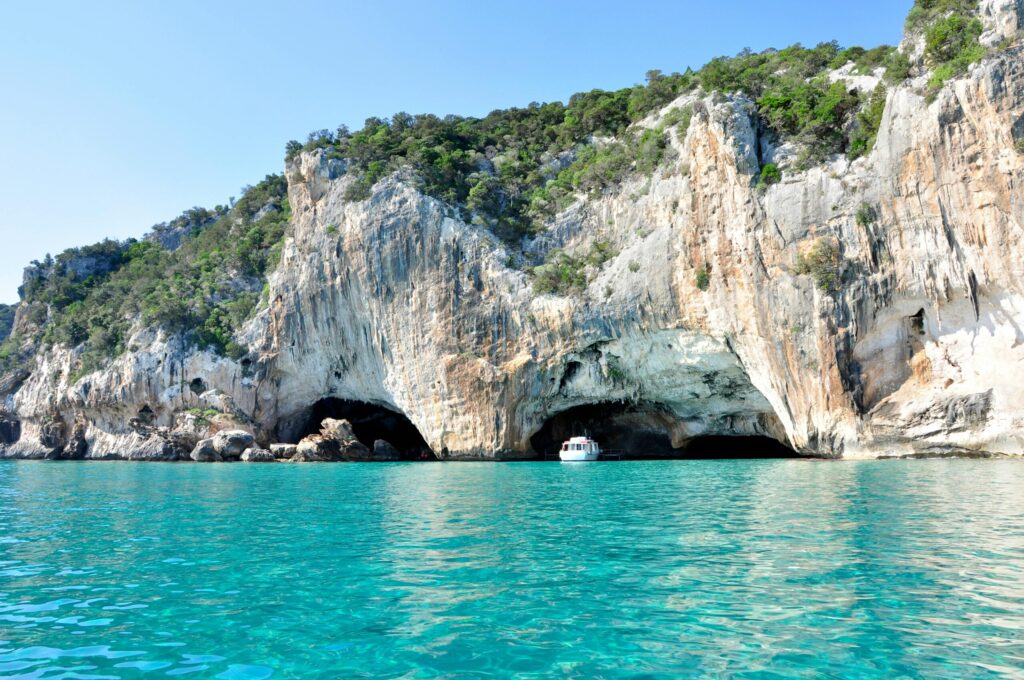
High in the mountains of Sardinia, Italy, a 95-year-old shepherd sets out at dawn, trekking up and down rocky hills with his goats. Half a world away on the Japanese island of Okinawa, a 100-year-old woman begins her day tending a small vegetable garden, later meeting her lifelong friends for a chat and green tea. In Loma Linda, California, a 96-year-old physician still volunteers at the local clinic and takes evening walks with his neighbors. These places – Sardinia, Okinawa, Loma Linda – are among several remarkable regions known for an abundance of centenarians (people who live to 100). Dubbed the world’s “blue zones,” such regions have captured global attention for their residents’ exceptional longevity and vitality. It’s natural to wonder: what is their secret? How do these communities manage to consistently produce long-lived, healthy people, often into their 90s and beyond?
The answer, it turns out, isn’t a magic pill or a single wonder food, but a whole way of life. Researchers who have spent years studying these longevity hotspots have found that a combination of healthful behaviors and social factors underlie their long lifespans. Diet, daily activity, family and community connections, and outlook on life all weave together into a pattern that promotes healthy aging. By examining the common threads – and dispelling some myths – we can learn a lot about what helps humans live not just longer, but better.
Blue Zones
The term “blue zones” originated in the early 2000s when demographers Michel Poulain and Gianni Pes, together with National Geographic writer Dan Buettner, identified pockets of extreme longevity around the world. On a map, they literally circled these regions in blue ink – hence the name. Five places in particular stood out: Okinawa in Japan; the island of Sardinia in Italy; Ikaria, a small Aegean island in Greece; the Nicoya Peninsula in Costa Rica; and Loma Linda, California, home to a community of Seventh-day Adventists. Despite being thousands of miles apart, these areas produced an unusually high proportion of people living past 90 and 100 in good health. Over time, researchers and journalists documented additional candidates and similar communities (some counts say there are seven “blue zones” in total), but those original five remain the best studied.
What do these longevity hotbeds have in common? At first glance, the lifestyles in a Greek village versus a California town might seem quite different. But scientists have distilled several key factors that consistently surface in these communities. Broadly, they fall into three categories: dietary habits, physical activity, and social/mental outlook. Indeed, a whole body of scientific research is devoted to uncovering the lifestyles of people in blue zones – the habits that allow so many to live exceptionally long lives…
Eating Wisely: Mostly Plants and Not Too Much
Perhaps the most famous aspect of longevity regions is their traditional diets. Across blue zones, people tend to eat a plant-rich, whole-food diet with minimal processed foods. By and large, meals are built around vegetables, fruits, beans, and whole grains, with meat consumed rarely or in small portions. This yields a diet high in fiber, vitamins, and antioxidants but low in saturated fats and empty calories – a combination strongly linked to lower rates of chronic disease.
Take Okinawa, often cited for its extraordinary number of centenarians. The traditional Okinawan diet is practically a master class in healthy eating. It’s low in calories and fat but high in nutrients and fiber, and it draws almost entirely from the earth: staple foods include sweet potatoes (rich in complex carbohydrates and carotenoids), leafy greens, tofu and other soy products, legumes, and occasional fish. For most of the 20th century, Okinawans ate very little sugar or refined grain, and meat was a rarity reserved for festivals. Dr. Craig Willcox, a gerontologist who has studied Okinawan longevity, notes that this diet is “rich in phytonutrients, including lots of antioxidants… low in glycemic load, and anti-inflammatory”, which collectively helps protect against age-related diseases like heart disease, stroke, diabetes, and cancer. Indeed, older Okinawans historically had some of the world’s lowest rates of heart disease and certain cancers. A cultural habit called “hara hachi bu” also plays a role: Okinawans traditionally stop eating when they feel about 80% full, a practice of caloric moderation that prevents overeating. This lifelong habit has been linked to lower body weight and reduced burden of cardiovascular disease, contributing to Okinawans having very low rates of illnesses such as heart disease, cancer and stroke, and a long life expectancy.
In the Mediterranean blue zones like Sardinia (Italy) and Ikaria (Greece), the diet has different ingredients but similarly healthy principles. Sardinian villagers traditionally consume a variation of the classic Mediterranean diet: lots of garden vegetables (tomatoes, greens, eggplants), whole grain bread, beans (like chickpeas and fava beans), and olive oil as the primary fat. Meat (often goat or pork) is eaten sparingly, and much of the protein comes from beans or a little cheese. Ikarians likewise eat a diet replete with potatoes, greens, legumes, fruits, and olive oil, with small amounts of goat milk, fish, or eggs. Both Sardinians and Ikarians commonly drink herbal teas rich in antioxidants (for example, wild rosemary or sage tea). Notably, these diets provide a wide range of micronutrients and tend to be anti-inflammatory – linked to lower incidence of heart disease and dementia. They also naturally control portion sizes; meals are satisfying but not overly caloric.
One point of divergence is alcohol: Some blue zone cultures regularly enjoy moderate wine (Sardinians are known for their dark Cannonau red wine, and Ikarians for homemade wine), whereas others abstain entirely (the Adventists of Loma Linda generally avoid alcohol for religious reasons). For years, red wine in moderation was thought to be a heart-healthy secret of Mediterranean longevity. However, modern evidence suggests that any alcohol intake carries health risks, and the benefits may have been overstated. As Professor Bruce Neal, a global health expert, bluntly notes, alcohol “isn’t a part of any heart-healthy diet” despite being recommended by some blue zone enthusiasts. In other words, Sardinian shepherds might live long despite their daily glass of red, not because of it. The true dietary keys are more likely the abundance of plant foods and absence of processed junk.
Nicoya, Costa Rica is another region known for longevity. The Nicoyan diet is simple but nutritionally robust. Maize (corn) and beans form the cornerstone – often eaten together as corn tortillas with black beans, along with squash, local fruits, and the occasional egg or bit of meat. This basic combination of whole grain and legume provides a full protein profile, fiber, and a host of vitamins. In fact, experts have suggested that the traditional maize-and-beans diet may be one of the world’s most nutritionally optimal combinations for longevity. Nicoyans also benefit from naturally hard water that’s high in calcium and magnesium, supporting bone health. By eating whole, unprocessed foods from their own farms and gardens, Nicoyan villagers historically have low rates of obesity and heart disease. A Stanford University study found that Nicoya’s older residents have significantly lower prevalence of cardiovascular disease and high blood pressure compared to even more affluent populations – Nicoyan men, for example, had markedly fewer heart problems than men in Japan, despite Japan’s generally high life expectancy. The fresh, fiber-rich diet likely contributes to these outcomes by keeping cholesterol and blood pressure in check.
Across all these regions, one striking commonality is that people cook at home from scratch, using ingredients they or their neighbors produced. Meals are an occasion – often shared with family – rather than a mindless refueling. Processed snacks, fast food, and sugary desserts are either absent or reserved for rare celebrations. The overall calorie intake in traditional blue zones tends to be moderate. Many of these cultures have periods of food scarcity in their history or religious fasting traditions that prevented overindulgence. For example, devout Seventh-day Adventists in Loma Linda often follow a vegetarian diet and avoid overeating as part of their health principles, and they have among the longest life expectancies in North America.
It’s worth noting that modern globalization is changing diets even in blue zones. Younger Okinawans, for instance, now consume more processed foods than their elders did (spam and fast food have unfortunately made inroads, and obesity rates have risen in recent decades). The longevity advantage in some of these regions has declined as traditional diets give way to Westernized eating. This underscores that it’s not genetics alone keeping people healthy – it’s lifestyle. When Okinawans or Nicoyans switch to a standard American diet, they too see increases in chronic disease. But for those who have maintained the old ways, the benefits are clear. A balanced, largely plant-based diet, with ample nutrients and mindful portion sizes, is a foundational pillar of long life.
Natural Exercise
If you visit any of these longevity communities, one thing you won’t find is a bunch of people spending their days sitting in offices or glued to screens. Daily physical activity is woven into the fabric of life in blue zones. However, it’s important to clarify that these centenarians are usually not hitting the gym or running marathons. Instead, they engage in regular, low-intensity movement as a natural part of their routines.
In Sardinia’s highlands, for example, shepherds and farmers climb steep terrain each day to tend animals or fields. Walking is the main mode of transportation in their village lanes. In Nicoya, elders often continue to do light farm work, chopping wood, grinding corn by hand, or walking long distances to see friends and family. Gardening is a common hobby among Okinawan and Ikarian seniors, which not only provides fresh vegetables but keeps them bending, stretching, and lifting in the sunshine. These activities might not be strenuous by athletic standards, but they keep the body constantly in motion. Over decades, that adds up to a huge cumulative effect on fitness, muscle tone, and metabolic health.
Researchers describe this as “natural movement”: rather than scheduled workouts, people get exercise by living in environments that require them to be active. One longevity researcher quipped that in these villages, “There are no electric golf carts or robot lawn mowers – you are the motor.” For instance, many Okinawan homes traditionally have minimal furniture, meaning elders sit on floor mats and stand up numerous times a day (a natural form of squatting exercise). Sardinian towns are often hilly with steps everywhere, compelling even the elderly to remain sure-footed. In Ikaria, the terrain is rugged and people think nothing of walking several kilometers for a social visit. Sedentary jobs are scarce. As Stanford’s Dr. David Rehkopf noted, perhaps only half-jokingly, Nicoya’s lack of “grinding desk jobs” might be one reason their residents’ cells seem biologically younger. Physical labor and walking keep their bodies – and possibly even their chromosomes – in better shape. (Studies found Nicoyan elders have longer telomeres, the protective DNA caps, possibly reflecting lower cumulative stress and better maintenance of the body).
The benefits of all this organic exercise are multifold. It keeps weight down, muscles and bones strong, and balance and agility intact (reducing falls in old age). It likely improves cardiovascular fitness, even if gently – most 90-year-old Sardinian women may never have jogged, but after a lifetime of walking mountain roads, their hearts are robust for their age. Additionally, daily movement has mental health benefits, releasing endorphins and providing a sense of purpose (tending a garden or animals gives one responsibility and routine). It’s also a form of social engagement: walking to the market or working fields often means chatting with neighbors. This contrasts with many industrialized nations where elders may retire into sedentary lifestyles, accelerating physical decline.
One remarkable example: Sardinian men from certain mountain villages have some of the longest lifespans recorded for males anywhere, which researchers attribute partly to their traditional shepherd lifestyle – a life of constant walking, moderate exertion, and a diet from their own land. These men remain active into their 80s and 90s, whereas in many countries, men often succumb to heart disease earlier. In Nicoya, a study found that by age 60, local people had about a 29% lower chance of dying in the next year than the average Costa Rican – a survival advantage that grew out of lifelong habits. Furthermore, Nicoyan men in particular were shown to be seven times more likely to reach 100 than even Japanese men (who are from a very long-lived culture themselves). Researchers believe one reason is that Nicoyan men stay physically active and socially connected well into old age, whereas men elsewhere often lose those supportive routines after retirement.
It’s important to highlight that exercise in these communities isn’t viewed as a chore. It’s simply life. They “move without thinking about it,” as Buettner describes. Their environment nudges them to be active: they have gardens to tend, flocks to herd, grandchildren to chase, hills to climb, and not a lot of labor-saving gadgets. Modern longevity advice often stresses 150 minutes of exercise per week; blue zone residents easily exceed that through daily living. As a result, they maintain functional independence much longer. A 90-year-old Ikarian might still be baking bread and walking to her neighbor’s house each morning – tasks that keep her body limber and useful, whereas a 90-year-old in a car-centric, convenience-filled society might struggle after years of disuse.
For those of us in less active environments, the lesson is to find ways to build natural movement into each day. Take walks, use stairs, do housework or yardwork, enjoy active hobbies – make movement so habitual you barely notice it. The long-lived people of blue zones rarely “exercise” in the way we think of it; instead, exercise is seamlessly integrated into life, proving crucial for their healthy longevity.
Community and Purpose
While diet and exercise are tangible factors, an equally important – though less quantifiable – pillar of longevity in these regions is psychosocial: how people live together, and how they view life. Blue zones are not just healthy in body; they nourish the soul and psyche in ways that protect and prolong life.
One standout factor is strong social connections. In all the longevity hotspots, the elderly are not isolated or lonely – they are surrounded by family, friends, and community who interact with them daily and value their existence. This social integration has profound effects. Research consistently finds that social isolation and loneliness are risk factors for earlier death, comparable even to risk factors like smoking or obesity. Conversely, having close relationships and a support network corresponds to greater lifespan and better health in old age. As Professor Yun-Hee Jeon, an expert on healthy aging, emphasizes, “social connection is an incredibly important factor contributing not only to longevity but to quality of life and overall wellbeing.” In Okinawa, for example, people traditionally form small circles of lifelong friends called “moai.” A moai is a group of about 5 individuals who commit to support each other from childhood through old age – emotionally and often financially. They meet regularly (sometimes daily) to chat, share tea or food, and mutually care for one another. If someone is ill or needs help, the moai is there. This creates an unshakeable sense of belonging. It’s not surprising that Okinawan elders, despite having very low material wealth, report some of the highest levels of life satisfaction; they feel loved and needed their entire lives.
In Nicoya, family ties are paramount. Many generations live close together and grandparents often reside with their children’s families. Elderly Nicoyans have a role in the household – whether it’s watching the young ones or light chores – and are respected as sources of wisdom. They typically do not languish unseen in nursing homes; they remain embedded in family life. Similarly, Sardinian and Ikarian communities are famously close-knit. Neighbors visit one another often, and there is a strong culture of hospitality and communal gatherings. For instance, it’s common in Sardinia for the men of the village to spend evenings at the local tavern laughing and socializing (earning Sardinians a reputation for good humor). In Ikaria, afternoon coffee at a friend’s house can stretch for hours of convivial conversation. Everyone is “known” by everyone, which creates both accountability and a safety net. An Ikarian saying goes, “If a person gets sick, the whole village cares.” The psychological benefits of this kind of social fabric are immense: people experience far less chronic stress and anxiety because they know they aren’t facing life’s challenges alone.
Another protective factor related to community is low social stress and a sense of security. Blue zone regions tend to have low crime and a culture of trust. For example, these small villages often leave doors unlocked and have low rates of violent crime, which means the elderly feel safe being out and about. There is also often a slower pace of life – the concept of “rush hour” or high-pressure deadlines is alien in a traditional Ikarian village or Nicoyan town. This laid-back, communal lifestyle likely translates biologically into lower stress hormone levels and less chronic inflammation, which in turn affects aging and disease.
Beyond social connection, having a sense of purpose or meaning in life is a key theme. Many centenarians will tell you they have a reason to get up in the morning – whether it’s a work responsibility, a family role, faith-based duty, or a personal passion. Okinawans call this purpose “ikigai.” In surveys, older Okinawans can readily articulate their ikigai (for example: “My ikigai is caring for my great-grandchildren” or “teaching karate to the kids” or “tending the family shrine”). This sense of purpose has been linked in studies to better health and longer life. One long-term study in Japan found that adults reporting a clear ikigai had lower rates of heart disease and were less likely to die over a 7-year period than those without a strong sense of purpose. In Costa Rica, similarly, elders often speak of a “plan de vida,” or life plan – essentially, a guiding purpose. It could be as simple as “to provide wisdom to my family” or “to farm my land as long as I live.” The details vary, but the effect is that people never feel useless; they have motivation to stay active and engaged. This mental state can literally add years – a study of American adults found those with a strong life purpose were associated with significantly reduced mortality risk, independent of other factors.
Faith and spirituality also play a role for many. Loma Linda’s community is notable because it consists largely of Seventh-day Adventists, a religious group that emphasizes healthful living as part of their faith. They observe a weekly Sabbath – a day of rest, socializing, and disconnecting from stress – which some Adventists say is crucial for their mental health. Many Adventists are vegetarian and avoid smoking or alcohol, in line with church guidance. Similarly, Sardinians and Ikarians are traditionally religious (Catholic and Greek Orthodox respectively), and their faith may contribute to their outlook – through regular prayer or attending church, which fosters community and coping mechanisms for stress. While it’s hard to measure scientifically, feeling part of something greater, having faith or spiritual practices, and regularly relaxing (downshifting) likely help buffer stress in these communities.
Indeed, stress management is another subtle but significant factor. Modern urban life bombards people with chronic stress – rush-hour traffic, constant emails, financial worries. In contrast, blue zone lifestyles incorporate daily rituals to shed stress. Ikarians famously take midday naps; a significant portion of the island observes the Mediterranean custom of the afternoon siesta. This habit has been associated with lower rates of heart disease (a Greek study found those who napped regularly had lower risk of cardiac death). Okinawans may practice quiet ancestor worship or meditation in the morning, or simply enjoy unrushed time in their gardens. Adventists often pray or take nature walks, finding solace in their faith and the outdoors. These little “down shifts” allow bodies to relax and reset. Even something as simple as getting a full night’s sleep is emphasized. In villages without late-night TV or bright city lights, people tend to go to bed earlier and sync more with natural daylight. Adequate sleep helps with cellular repair and hormonal balance, contributing to healthy aging.
Lastly, an often overlooked factor: healthcare and environment. Some experts point out that we must credit basic environmental advantages that blue zone regions often have. For instance, many of these places benefited from clean air and water (rural areas with low pollution), good sanitation, and historically low infant mortality. Professor Neal notes that things like a reliable water supply, sewers, vaccinations, and peace (lack of wars or violent conflict) are fundamental to a population reaching old age in the first place. Sardinia’s mountainous zones were somewhat insulated from world wars; Nicoya and Ikaria are relatively peaceful rural areas. Moreover, these regions typically had active public health initiatives – for example, Costa Rica has long had an efficient healthcare system that improved survival. Vaccinations and basic medical care significantly add to life expectancy, ensuring more people even reach age 60 and 70 to potentially become centenarians later. So part of the story is simply that these communities have, by luck or policy, avoided some of the early-life and mid-life hazards that cut life short elsewhere.
Genetics, on the other hand, appears to play a supporting role at best. Yes, if your parents and grandparents lived to 100, you might have inherited some advantageous genes. But studies of siblings and twins suggest genetics probably account for only about 20–30% of longevity. The rest comes down to environment and lifestyle. In fact, when people from long-lived cultures migrate and adopt a new lifestyle, their life expectancy tends to shift toward that of their new home, indicating that lifestyle trumps ancestry. As Dr. Daisy Coyle, a dietician, put it, “There is no specific formula for living to 110 years old, but we do know some factors that can influence longevity”. Those factors include “a healthy diet, maintaining a healthy weight, avoiding smoking, exercising regularly, and limiting alcohol consumption… managing stress, getting enough sleep, creating healthy connections and avoiding risky behaviors.” This might sound almost disappointingly straightforward – no exotic superfoods or secret anti-aging supplements – but it’s precisely the ordinary simplicity of the habits that makes them powerful and achievable.
How Can We All Live Like Blue Zones?
If the recipe for long life is so simple, why isn’t everyone doing it? The truth is, many of us live in environments that make it hard to follow these principles. Convenience, technology, and modern work life push us toward fast food, sedentariness, social isolation, and stress – the polar opposite of the blue zone way. However, the rise of blue zone research has inspired efforts to bring those lessons into our own lives and communities. Cities and towns from Minnesota to Singapore have launched “Blue Zones projects” aiming to redesign community layouts to encourage walking, organize social groups for seniors, promote farmers markets and plant-based eating, and so on, in hopes of nudging residents toward healthier habits.
For individuals, the takeaways are encouraging: we don’t need advanced anti-aging drugs or genetic engineering to improve our longevity odds. We can start with small, accessible changes that mirror blue zone lifestyles. Eat a bit more like a centenarian: more vegetables, beans, and nuts; fewer processed meats and sugary treats. Move more in your daily routine: walk whenever possible, take up gardening or any hobby that keeps you on your feet, and avoid sitting for long stretches. Build your “tribe”: prioritize relationships, spend time with family and friends who support healthy choices, join community groups or volunteer – nurture those close connections that give life meaning. Find purpose and joy: whether through faith, hobbies, or helping others, have reasons to wake up excited for the day. Manage stress: adopt a relaxing ritual, be it an afternoon nap, a quiet cup of tea, meditation, or a leisurely evening stroll – moments that let you breathe and slow down. And of course, avoid harmful habits like smoking and excessive drinking, which are conspicuously rare in longevity cultures.
It’s also worth adjusting our view of aging. In the West, we often dread aging as a decline. But in blue zones, aging is seen as a natural, even welcome stage of life – one where people often flourish in different ways (taking on elder roles, enjoying respect, staying active in community). By embracing a positive attitude toward aging, we may be more motivated to live in a way that will make those later years enjoyable. After all, the goal is not merely to add years to life, but life to years. As one 102-year-old Ikarian quipped when asked about his secret, “I just don’t worry – and I love a good party.” That philosophy – don’t stress, do celebrate – is very much in line with the communal, low-stress lifestyle that keeps these elders young at heart.One poignant observation from researchers: when they go talk to blue zone centenarians about their longevity, the elders often don’t quite understand the fuss. They aren’t following a longevity program; they’re just living according to their culture and instincts. In Nicoya, when scientists presented graphs of Nicoya’s superior survival rates, the local folks shrugged – to them, it’s normal that grandpa is 98 and still chopping wood. “They’re just living their lives — walking their kids to school, visiting family, and cooking simple, unprocessed meals,” Dr. Rehkopf said of Nicoyans. In other words, the “secrets” of longevity are not exotic at all. They are simple, everyday behaviors and attitudes, done consistently over a lifetime, in environments that support them. We may not be able to replicate a pristine Sardinian village in every aspect, but by understanding the principles, we can certainly move our own lives a few steps closer to that ideal.