Featured
-
Read more: Why Did Sasquatch Endure as America’s Most Recognizable Folklore Monster?
On the morning of August 27, 1958, a bulldozer operator named Jerry Crew climbed onto his machine at a road-building site near Bluff Creek, in the old-growth country of Northern California, and noticed enormous humanlike footprints pressed into the graded dirt. He did what a practical man does: he m
-
Read more: The View From Inside: Why Almost No One Knows They’re in a Cult
Just before midnight on December 20, 1954, a small group of believers gathered in a house in the Chicago suburbs and waited for the end of the world. Their leader, a suburban housewife named Dorothy Martin, had received messages she attributed to beings from a planet called Clarion: a great flood wo
-
Read more: What Rock Climbing Exercises
In bouldering, the standard unit of the sport is not a route or a climb. It is a “problem.” A climber walks up to a wall, studies a scatter of holds, and tries to work out a sequence of moves that will carry a body from the ground to the finish. The vocabulary is telling.…
-
Read more: Why 90’s Anime was a Body Horror Nightmare
Why would one of the least violent societies on earth spend a decade drawing itself being torn apart?
-
Read more: Can We Enter the Dreams of Others?
REMspace and the emerging science of interactive dreaming Most technologies begin as prosthetics for the waking day. We build tools that extend our hands, our hearing, our memory. Then someone asks the more unsettling question: what about the third of our lives spent elsewhere, behind closed eyelids, in that private cinema where identity can split…
-
Read more: Egypt’s Sacred Cats – From Myth to Meme
Have you seen the videos? A young woman presses play on her smartphone, and a haunting melody of ancient flutes fills her living room. Her cat, previously lounging lazily on the windowsill, bolts upright. Ears perked, eyes wide, the feline seems transfixed by the mysterious music echoing from millennia past. This is a scene playing…
-
Read more: What are Microplastics and Why is Everyone Talking About Them?
Every day, countless primary microplastics enter the environment directly through human use. When you rinse off a face scrub that contains tiny polyethylene beads, those particles swirl down the drain and pass through water treatment filters with ease, eventually emptying into rivers and oceans. Each time you wash a fleece jacket or polyester shirt, hundreds…
-
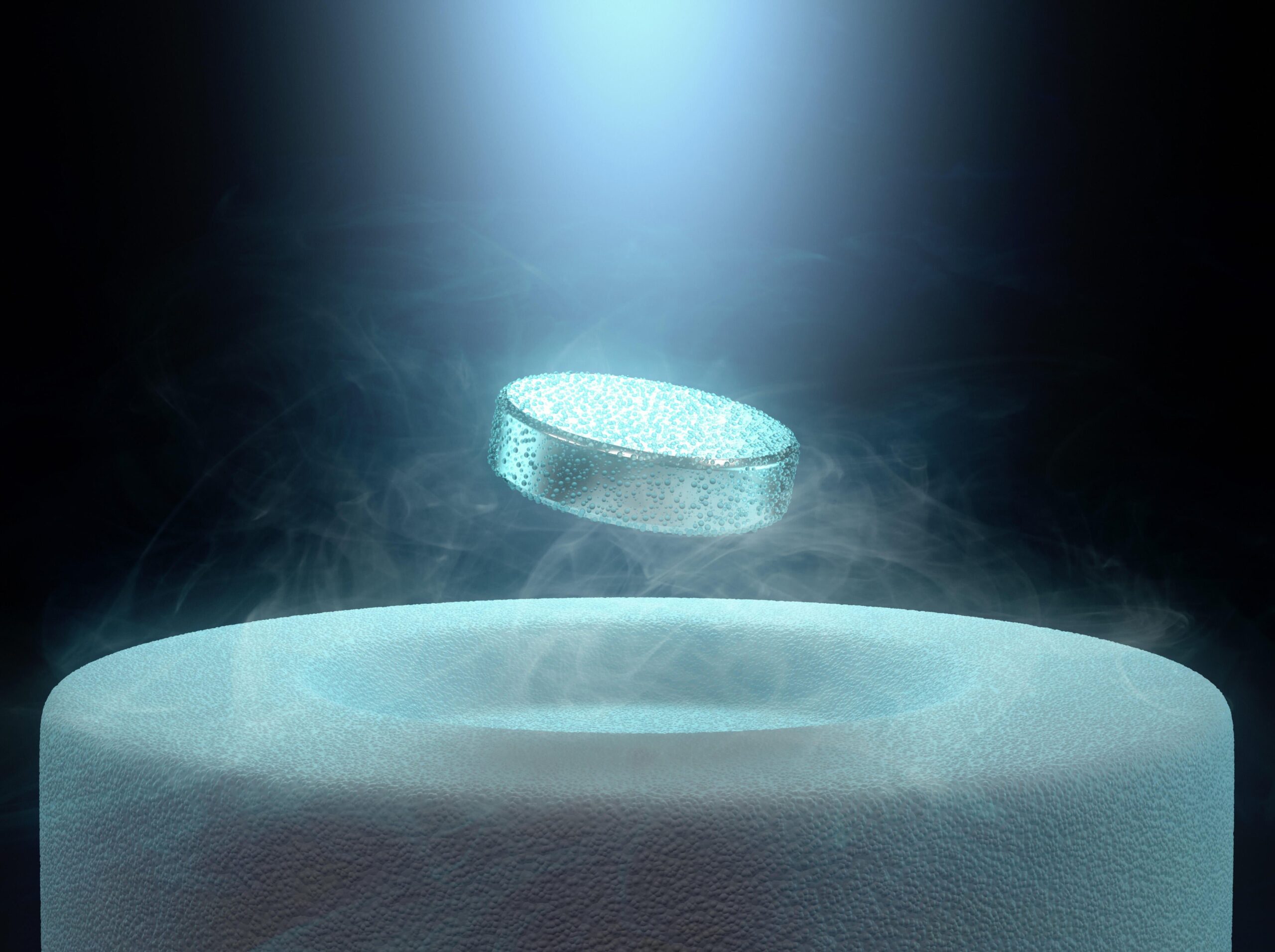
Read more: How Room-Temperature Superconductors Could Change EVERYTHING
To understand room-temperature superconductors, we first need to grasp what a superconductor is. A superconductor is a material that conducts electricity with zero resistance – meaning, an electric current can flow through it without any energy lost as heat. This phenomenon, discovered in 1911 by Heike Kamerlingh Onnes, is extraordinary because in ordinary conductors (like…
-
Read more: Why Aren’t We 3D Printing More Houses?
As Americans struggle with affordable housing and developing nations experience population surges, something occurred to me. About a decade ago 3D printed housing was supposed to help pull us into a new era of construction. Why hasn’t it happened? Let’s lay some groundwork. 3D-printed homes, built by robotic systems that extrude material (usually a concrete-based…
-
Read more: Why We Engage with Political Rage Bait
Social media was once envisioned as a marketplace of ideas bringing people together. Paradoxically, it often does the opposite – provoking outrage-driven engagement. A recent study coined the “confrontation effect” to describe how people are more likely to interact with content that challenges their views than content that affirms them. In other words, posts that…