
In the fading light of a 19th-century prairie evening, a rifle’s crack shatters the silence. A wolf collapses in the sagebrush, and a triumphant rancher collects his prize – another predator eliminated. Scenes like this played out thousands of times across the American West. For more than a century, a war was waged on wolves, cougars, bears, and any creature deemed a threat to livestock or settlers. The combatants were ranchers, farmers, and government agents, and the goal was simple: make the land safe for domestic animals and humans by removing its apex predators. This campaign fundamentally altered the ecology of the West. By the mid-1900s, many apex predators were absent from vast areas where they had roamed for millennia. The landscape itself changed in their absence: deer and elk multiplied without check, vegetation was overgrazed, and the balance of nature was upset in ways few at the time understood. Only late in the 20th century did Americans begin to question the cost of this all-out assault on predators. In recent decades, efforts have been underway to undo some of the damage – to bring back the wild hunters and restore a healthier equilibrium to the lands they once ruled. The story of America’s predator wars is a cautionary tale of human hubris and an evolving lesson in ecology. It is also a story with a hopeful turn, as people strive to repair the broken balance and learn to coexist with the very creatures once targeted for extermination.
Extermination
When Euro-American settlers pushed westward across North America in the 1800s, they entered a landscape rich with wildlife. Bison thundered across the Great Plains; elk, mule deer, and pronghorn grazed the meadows; and thick forests harbored creatures like moose and beaver. Keeping these herds and populations in check (and often feasting on them) was a suite of large predators. Gray wolves trotted across nearly the entire continent, from the northern woods of New England to the deserts of the Southwest. Grizzly bears, formidable omnivores, roamed the Rocky Mountains, the western plains, and west coast regions like California in significant numbers. Mountain lions (also known as cougars or pumas) were so widespread and elusive that they inhabited environments from the swamps of Florida and the forests of the Midwest to the hills of Oregon. Other predators like black bears, lynx, bobcats, wolverines, and coyotes filled various niches. To the indigenous peoples of these lands, these animals were part of the natural order and often held cultural or spiritual significance. But to many settlers, predators were viewed with a mix of fear and enmity – they were competitors for wild game, threats to livestock, and even perceived dangers to human life.
As farming and ranching took root in the West, conflicts with predators escalated. A single wolf pack could wreak havoc on a pioneer’s herd of sheep or cattle. A grizzly bear breaking into a pig pen or a cougar snatching a calf was a direct hit to a family’s livelihood. The settlers’ response was swift and often brutal. Livestock owners shot predators on sight, set out poisons, and organized trapping campaigns. Territorial and later state governments actively encouraged the killing by offering bounties – cash rewards for every dead “varmint.” If you brought in a wolf pelt or a mountain lion scalp to the local officials, you’d receive a payment. These bounties drew not only affected farmers but also professional hunters and trappers who could make a living targeting predators.
By the late 19th century, eliminating predators had become a matter of public policy and pride. The prevailing view was that taming the wilderness was necessary for progress, and that meant removing the large carnivores. The U.S. government eventually formalized predator control by funding it. In the early 20th century, the Bureau of Biological Survey (a predecessor of today’s U.S. Fish and Wildlife Service) hired hunters whose sole job was to exterminate predators like wolves, coyotes, and mountain lions, especially on public lands or wherever livestock conflicts arose. These government hunters, along with private ones, waged an unrelenting campaign. They used strychnine and cyanide poisons, concealed in meat baits, to kill predators en masse. They set steel leg-hold traps along game trails. They hunted from horseback and, later, even shot from airplanes. The language of the time was telling – predators were often called “vermin” or “noxious animals,” akin to rats or pests to be eliminated.
Wolves bore the brunt of this war. In the 1800s, as settlers spread across the Great Plains and the mountain West, wolves were poisoned and trapped by the thousands. Famous wolves that turned to preying on livestock became the stuff of legend, hunted by determined men until they were killed (stories like Ernest Thompson Seton’s account of “Lobo” from New Mexico illustrate both the effective eradication and the emerging admiration for the vanishing foe). By the turn of the 20th century, wolf populations had plummeted. Government records show tens of thousands of wolves killed in the first couple of decades of the 1900s alone. Even national parks were not safe havens at that time: Yellowstone National Park, for example, had official programs to kill wolves (and other predators like cougars and coyotes) to protect the populations of deer and elk for viewing and hunting outside the park. The effort was seen as conservation in that era – conserving the “good” animals by removing the “bad” ones. In 1926, Yellowstone’s rangers killed the last known wolf pack within the park. After that, only the occasional lone wolf wandered in from afar, and even those were usually shot. A hush fell over the Yellowstone wilderness where howls had once echoed nightly.
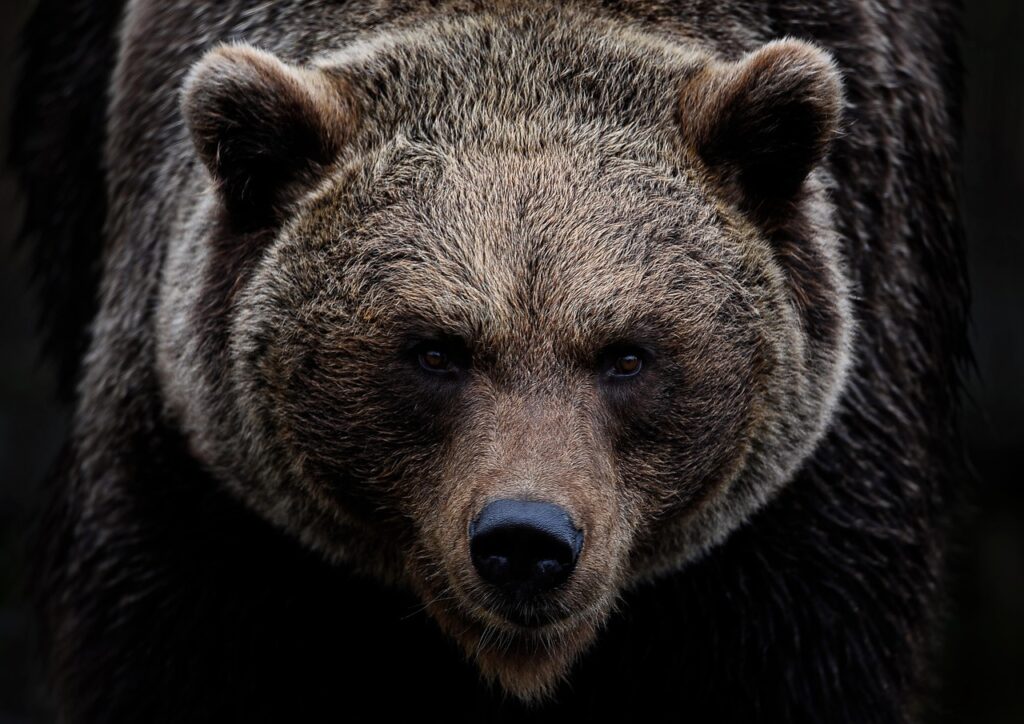
Wolves were not alone. Cougars were pursued with equal zeal in many areas. In Colorado, for instance, thousands of mountain lions were killed in the 19th and early 20th centuries via bounty programs. By mid-20th century, cougars were gone from the prairies and plains and survived only in remote mountain strongholds in the West. In states like Arizona, bounties on mountain lions continued up until 1970. Grizzly bears faced perhaps an even more dramatic decline. California’s last grizzly was shot in the 1920s (despite the animal adorning the state flag as a symbol of might), and across the West grizzlies were poisoned and shot until only a few hundred remained, holed up in the remotest mountains of Montana, Idaho, Wyoming, and southern Canada. Black bears fared slightly better due to their adaptability and less predatory diet, but they were still often treated as pests and shot on sight around settlements.
Even the smaller predators were not spared. Coyote populations were targeted relentlessly, especially after wolves were gone (coyotes actually increased in many areas once wolves, their bigger competitors, were eliminated). Government “coyote getters” placed cyanide devices that would release poison into a coyote’s mouth when it tugged a bait – a deadly trick still used in some areas into the late 20th century. Entire regions were essentially blanketed with poison in the 1940s and 50s to kill coyotes and other carnivores. Birds of prey like eagles and hawks were sometimes killed under the mistaken belief they significantly harmed livestock or game birds. In the prairie dog towns of the Great Plains, ranchers even waged war on these small herbivores (poisoning millions of prairie dogs) because their burrows could trip cattle and their grazing was seen as competing with livestock – this to illustrate how any animal, predator or not, that conflicted with ranching interests was marked for elimination.
By around 1960, the result of these campaigns was stark. Gray wolves had been virtually eradicated from the contiguous United States, surviving only in a part of northern Minnesota and on Isle Royale in Lake Superior (and coyotes had taken their place in many ecosystems). The red wolf of the Southeast was on the brink of extinction, surviving only in a small part of coastal Texas and Louisiana. Grizzly bears were gone from 98% of their historic range in the lower 48 states, now found only in and around Yellowstone, Glacier National Park, and some pockets in Idaho and Washington. Cougars had been extirpated east of the Mississippi (except for a tiny endangered population in Florida) and were much reduced in the West; by mid-century many western states had fewer lions than at any time in their history. The jaguar, that great cat of the Southwest, had been driven into Mexico with only rare wandering individuals ever seen in Arizona after the 1960s. Other animals like wolves’ smaller kin – foxes and bobcats – persisted but under pressure; and coyotes, though resilient, were continuously killed in huge numbers (and still are today by federal Wildlife Services, which kills tens of thousands of coyotes annually to “protect” livestock and game).
To the people of that era, these outcomes were considered successes. The West was being “tamed.” Sheep and cattle could graze with less threat. Hunters enjoyed abundant deer and elk herds, not realizing that these might be artificially inflated by lack of predators. Rural communities were relieved that the frightening howl of the wolf or the shadow of a prowling mountain lion were things of the past in many places. There was even a sort of pride in having conquered what was seen as a hostile wilderness. The philosophy was that human progress demanded subjugating nature, and subjugating nature meant removing those parts of it that didn’t fit with farms, ranches, and towns.
Unintended Consequences
Eliminating top predators does not just subtract a few actors from an ecosystem – it sets off a chain reaction of effects known as a trophic cascade. In the decades after the great predator reductions, people began noticing that something was out of kilter in the environment. Without predators, prey species initially flourished. In many areas, deer and elk populations skyrocketed because nothing was thinning their numbers except occasional human hunting (which was often not enough or not in the right places to mimic natural predation). At first, having more deer or elk might sound like a good thing, but the boom came with problems.
For one, those herbivores began over-browsing their habitat. In forests where mountain lions had been thinned out and wolves were gone, deer often lost their wariness and would linger in one spot, mowing down the vegetation. Young trees, especially tasty ones like aspens or oaks, were devoured before they could grow tall. The forest understories in some places became barer, affecting all the other creatures that relied on dense cover or certain plants. In the American Southwest, for example, the removal of wolves and jaguars coincided with a dramatic increase in deer and javelina in some areas, which in turn altered plant communities and even contributed to erosion as ground cover was lost.
The most famous example was in Yellowstone and the surrounding Rocky Mountain parks. By the 1980s, Yellowstone’s northern range was home to a very large elk herd that would winter in the park. With no wolves since 1926, the elk population had at times swelled to unsustainable levels (park managers even resorted to periodic culling through controlled hunts to keep numbers down). These elk congregated especially in the valleys and along stream courses where the grass stayed accessible in winter. There, they ate young willow and aspen shoots relentlessly. As a result, for decades very few new willows or aspens grew. Whole stands of aspen became old and stunted without regeneration. Stream banks, once thick with willow, became more open and began to suffer erosion without the stabilizing roots. Species that depended on that vegetation suffered too: beavers, for instance, largely disappeared from some streams because the willow and aspen they use for food and dam-building were no longer abundant. With fewer beaver ponds, wetlands shrank, affecting amphibians and fish. Songbirds that nested in willow groves along streams found fewer places to breed. In essence, the removal of wolves had reverberated down through many layers of the ecosystem, even influencing the shape of rivers.
Another consequence of predator removal was the phenomenon of mesopredator release. A mesopredator is a mid-sized predator. When apex predators (like wolves or cougars) are present, they often keep mesopredators (like coyotes, foxes, raccoons, etc.) in check through competition or direct killing. Remove the top dog, and the medium-sized predators can explode in number. This happened notably with coyotes after wolves were gone. Coyotes expanded into areas (including the eastern U.S.) where they never previously thrived, partly because wolves were no longer there to kill or scare them off. High coyote densities in some regions led to heavier predation on smaller animals such as rabbits, ground-nesting birds, and even domestic cats in edge habitats, which in turn can reduce those prey populations. Similarly, without cougars and wolves, baboons in parts of Africa (to draw a parallel) caused more crop damage – this concept of trophic cascades is global. In the American West context, fewer wolves and lions likely meant more coyotes and perhaps bobcats, which might have meant fewer small herbivores or ground birds, etc. It’s complex, but the gist is that the whole food web readjusts, often in ways that reduce biodiversity or resilience.
People didn’t immediately link these ecological changes to the absence of predators. For a time, some believed nature would “balance itself” after our interventions. But by the mid to late 20th century, ecologists began to piece it together. Aldo Leopold, the conservationist who had himself participated in early predator control as a young forester, was one of the first to articulate the idea that killing predators could cause excesses of deer that then devastated the land. In his famous essay “Thinking Like a Mountain,” Leopold described how, after he helped eliminate wolves in the Southwest, he noticed the mountain slopes grow barren from too many deer – the mountain, he said, lived in mortal fear of its deer in the absence of wolves. He wrote of seeing “a fierce green fire dying” in the eyes of a wolf he shot and coming to realize that fewer wolves meant a lesser mountain. Leopold’s change of heart in the 1940s was a harbinger of a wider change to come.
By the 1960s, the American public’s view of wildlife was starting to shift. Wilderness was no longer seen merely as something to conquer, but something to preserve. Predator species like wolves and bears were increasingly seen as iconic and worthy of protection, not just pests. And the ecological science emerging was confirming what some had suspected – predators played critical roles in maintaining healthy ecosystems.
Protecting the Predators
The second half of the 20th century brought an environmental awakening. Landmark legislation like the Endangered Species Act of 1973 signaled that society was ready to protect, not persecute, animals that had been driven to the brink. Suddenly, wolves, grizzlies, and other predators found themselves on a list of species that federal agencies were charged with recovering. This was a 180-degree turn from a few decades earlier when the same agencies were funding their destruction.
Even earlier, in the late 1950s and 60s, some states had begun to eliminate their bounty programs. It became apparent that paying bounties did little to permanently reduce predator numbers (especially in the case of coyotes, which are too prolific and adaptable). And as ecology became a recognized field, the scientific community raised questions about the logic of heavy-handed predator control. Rachel Carson’s Silent Spring (1962) isn’t about wolves or bears, but its indictment of indiscriminate pesticide use paralleled the issues with indiscriminate poisoning of predators. Public sentiment slowly shifted towards valuing all parts of the natural world.
By the early 1970s, certain poisons previously used widely against predators were banned on federal lands. In 1972, President Nixon signed an executive order banning the use of Compound 1080 and other toxicants for predator control on federal public lands, largely due to the outcry that these chemicals were cruel and killed countless eagles, dogs, and other non-target creatures. Predator control didn’t stop overnight (Wildlife Services is still active today), but the methods and justifications came under increasing scrutiny.
For top predators like the gray wolf, “protection” under the law initially just meant no more deliberate killing by government agents and a ban on hunting them where they were listed as endangered. But the next step was more ambitious: restoration. In the case of the wolf, by the 1980s the U.S. Fish and Wildlife Service had developed recovery plans that envisioned wolves returning to parts of their former range. In the northern Rockies, this led to the controversial but historic decision to reintroduce wolves to Yellowstone National Park and central Idaho. In 1995, wildlife officials captured 14 wolves in Canada (where wolf populations were healthy) and released them from pens in Yellowstone. Seeing those wolf paws touch American soil again where they had been absent for 70 years was a profound moment. The following year, more wolves were released. The reintroduction was a success from a biological standpoint – the wolves bred, formed packs, and spread out into the surrounding country. It also became a success story that captured the public imagination and demonstrated the tangible effects of predator restoration.
Elsewhere, wolves also made a comeback on their own. In the Great Lakes region, wolves from Canada recolonized northern Minnesota naturally in the 1970s, then spread to Wisconsin and Michigan by the 1990s as forest cover regenerated and human tolerance increased. These populations, protected by law, grew steadily. By the 2000s, Minnesota had thousands of wolves and Wisconsin and Michigan each had a few hundred. In the Southwest, a subspecies called the Mexican gray wolf, which had been exterminated in the wild, was bred in captivity and then reintroduced to parts of Arizona and New Mexico in the late 1990s under a carefully managed program.
Mountain lions (cougars) also rebounded, though without needing as direct a human assist. In the 1960s and 70s, states like Colorado and California changed their classification of mountain lions from “varmints” with bounties to protected game animals with regulated hunting or outright protection. California went so far as to ban sport hunting of cougars in the 1970s and later made that protection permanent via a public referendum in 1990. With reduced persecution and ample deer to eat, cougars began repopulating areas they hadn’t been seen in for decades. They expanded from the mountains into the foothills and plains. Young males, in their dispersal journeys to find new territory, started turning up far outside the core cougar ranges. There were confirmed cougar sightings in places like North Dakota, then Missouri, even Connecticut (as a far-wandering transient). Biologists were amazed in 2011 when genetic tests showed that a cougar killed by a car in Connecticut had come all the way from South Dakota’s Black Hills, traveling well over 1,500 miles. This indicated that given the chance, these big cats will roam widely and can survive in a mosaic of rural and even semi-suburban landscapes while largely remaining unseen.
Grizzly bears, thanks to protection, slowly increased in number in their remaining refuges. In the Greater Yellowstone Ecosystem, for example, grizzly numbers rose from an estimated low of perhaps 130 bears in the 1970s to over 700 bears today. They expanded to recolonize surrounding areas outside the park. Similar trends occurred in northwestern Montana around Glacier National Park. There have been ongoing proposals to reintroduce or allow grizzlies to return to the North Cascades in Washington, where they’ve been functionally absent for decades, although that plan is still under discussion. Public attitudes toward grizzlies are mixed (they are more dangerous to humans than wolves or cougars), but there is broad support for keeping the ones we have and, in some quarters, for restoring them to more of their old haunts.
Other species benefitted from changing attitudes too. For example, bald eagles and peregrine falcons were not victims of the predator wars in the same way, but they were decimated by DDT pesticide. The banning of DDT and legal protections allowed them to rebound spectacularly by the 1990s, showing that species on the brink can recover if we remove the threats. While eagles aren’t predators of livestock, their story parallels the general arc of shifting from killing wildlife to conserving it.
One more subtle but important aspect of the tide turning was the recognition of predators’ ecological value. This filtered into public consciousness and policy. For instance, the idea of “trophic cascades” – once an academic concept – became almost common knowledge after the Yellowstone wolf reintroduction gained fame. Nature documentaries, articles, and even viral YouTube videos touted how wolves changed Yellowstone’s rivers and restored its forests. Although some claims were simplified, the core truth reached many people: having wolves around led to positive ecological changes. This helped build support for predators in general. If wolves could help fix a national park, perhaps having them (and other predators) in suitable wild areas is beneficial, not detrimental.
Rebalancing the Ecosystem
The reintroduction of wolves to Yellowstone stands as a milestone in rebalancing a major ecosystem. After 1995, scientists closely monitored the changes. Within about a decade, many of the anticipated trophic cascade effects were evident. The elk herd size dropped somewhat and, more importantly, elk behavior changed. They no longer lingered as long in the risky open flats by streams where wolves could chase them. With elk moving more and avoiding certain valley thickets, the vegetation there finally got a breather. Willows and aspens began to sprout and survive in greater numbers. By the mid-2000s, park researchers noted young aspen groves emerging in places they hadn’t in living memory. Willows grew taller and thicker along some creeks. With that came the return of beavers to those waterways – beaver colonies expanded because now their food source (willow) was abundant again. The beavers built dams, creating lush wet meadows that supported amphibians, fish nurseries, and provided drinking holes for other animals. The enhanced plant cover along streams also reduced erosion in spots, which in turn affected how water flowed and meandered (hence the dramatic claim that wolves helped change the rivers, meaning they indirectly helped stabilize banks and narrow over-widened channels).
The wolves also kept coyotes in check. Yellowstone’s coyote population dropped in the wolf-heavy areas. That led to more rabbits and rodents scurrying about, which provided more food for hawks, eagles, foxes, and owls. Pronghorn antelope fawns, which coyotes often prey upon, had higher survival rates in some parts of the park after wolves reduced coyote densities – meaning more pronghorn on the landscape. Scavenger species like ravens, magpies, and even bears benefited from wolf kills, finding carrion to eat, especially during lean winter months. It was as if the return of the wolf added threads back into a web that had frayed, making the whole system stronger and more self-regulating.
While Yellowstone is a unique protected laboratory, similar effects are being felt elsewhere as predators return. In Montana, for example, after wolves recolonized, some ranchers noted that elk no longer congregated by the hundreds on their hay fields all winter (an annoying situation for ranchers, because the elk would devour livestock feed). Wolves had nudged the elk back into moving around more. In Wisconsin and Michigan, where wolves came back, studies have shown they trimmed overly high deer populations. Interestingly, one study even found that counties with wolves had a lower incidence of deer-vehicle collisions on roadways compared to similar areas without wolves – likely because wolves change deer behavior and distribution, making them less likely to gather and linger near roads, which makes the roads safer for drivers. In this way, having an apex predator around provided a sort of service that no human intervention had managed to do as effectively.
Mountain lions expanding into the Great Plains and Midwest could have analogous effects. Ecologists predict that if cougars re-establish in, say, South Dakota’s Badlands or in parts of Nebraska, they will naturally help control deer populations, which might in turn reduce overgrazing and even Lyme-disease-carrying tick abundance (because fewer deer can mean fewer ticks). Early research in places like Zion National Park in Utah has shown that where cougars were present, deer numbers were moderate and vegetation along streams was lush; where cougars were absent (due to human activity), deer overran the place and the vegetation suffered. These predator-prey-plant relationships play out over and over.
Rebalancing the ecosystem isn’t just about the predators themselves; it’s also about how we manage human-predator interactions. As predators return, conflicts with people do occur – livestock get attacked, pets get preyed upon, occasional threats to human safety arise. The modern approach has been to mitigate these issues without simply wiping out the predators again. For instance, ranchers are encouraged (and sometimes financially helped) to use non-lethal deterrents: guard dogs, fencing, lights, and other tools to keep wolves away from sheep. There are compensation programs that pay owners market value for livestock lost to certain predators, reducing the economic hit and hopefully the temptation for retribution. In some states out West, there are even range rider programs where people on horseback patrol herds to proactively haze away wolves or bears, ensuring the livestock are safe.
In a notable shift, a number of former adversaries have become allies in predator coexistence. Some ranchers have come forward to share how they adjusted practices to live with wolves – like moving calving season so it doesn’t coincide with when wolves have young pups to feed, thus reducing conflicts. Conservation groups have helped buy out grazing leases on public lands in some key wolf or grizzly habitats, thereby removing cattle from high-conflict zones to create “wolf-safe” or “grizzly-safe” areas. And on the flip side, hunting and wildlife groups have at times supported predator restoration because they recognize it can lead to healthier, more resilient game populations in the long run.
Notably, attitudes among many Westerners have grown more tolerant. Surveys generally show that a majority of people in places like Montana or Wyoming support having some wolves and grizzlies, as long as they are managed. There are still loud opposing voices – and indeed, after wolves were taken off the Endangered Species list in the Northern Rockies, some states instituted fairly aggressive hunting and trapping seasons to reduce their numbers. The pendulum swings, and finding the equilibrium where ecosystems are healthy and local people feel their livelihoods are protected is an ongoing process. But compared to a century ago, the paradigm has changed: extermination is no longer the goal; coexistence and sustainable management are.
Learning from our Mistakes
The predator wars left deep scars on the Western landscape, but the gradual return of predators is helping to heal some of them. We will likely never see the full pre-settlement complement of wildlife everywhere – the West has millions more people now, sprawling cities, highways, and farms. Yet, one can envision a future where key wild ecosystems are once again whole, with their top predators present and fulfilling their roles. That future is already being sketched out: wolf packs now roam portions of Washington and Oregon’s Cascades, something that hadn’t been true in almost a century. Jaguars, amazingly, have been spotted again in southern Arizona; one male jaguar (nicknamed El Jefe by locals) was photographed numerous times in the mountains just south of Tucson in the 2010s, offering hope that these great cats might slink back into U.S. territory if we allow corridors from Mexico. Florida panthers, once nearly gone, have rebounded from under 30 individuals in 1990 to around 200 today, thanks to intense conservation efforts – a success that hints that even the East might one day host more big cats if we give nature time and space.
In the Rocky Mountains and Great Plains, wildlife agencies and Native American tribes are working on ambitious restoration visions that include predators. For example, the idea of rewilding the Great Plains with a mix of bison, pronghorn, and predators like wolves or even lions has been floated in conservation circles (though it remains controversial and distant). On a more immediate note, Colorado is set to reintroduce wolves to its western mountains by the mid-2020s, following a voter-backed initiative – making it the first time in U.S. history that citizens of a state (not just the federal government) proactively decided to bring back a lost predator. This is a remarkable turnaround in attitude: Colorado went from exterminating its last wolves in the 1940s to demanding their return.
Coexistence is the new watchword. It doesn’t mean challenges disappear; it means a willingness to accept some level of risk or inconvenience for a greater ecological good. It also means finding creative solutions to age-old conflicts. Technology may help too – from better electric fencing to GPS collars on wolves that send ranchers alerts, or even the use of drones to check on herds in predator country. Education is a big part of coexistence: teaching hikers how to carry bear spray and be “bear aware,” encouraging homeowners in mountain towns not to leave pet food outside that might attract mountain lions, and informing hunters that leaving a gut pile from a deer they shot can draw in wolves or bears so they need to be cautious. These are adjustments society can make.
What’s at stake is not just the survival of these predators, but the integrity of the whole ecosystem. A West with wolves and bears and lions is a West that retains pieces of its ancient evolutionary history. These animals were here long before any European settlers – they shaped the habits of the deer, the growth of the trees, even the behavior of the rivers, in an indirect way. Removing them created an ecological echo that we have been living in. Restoring them allows the original harmonies to slowly return.
There is also an intangible but real value in having wild predators around: it reconnects people to the wildness of nature. Knowing that in the deep night a wolf might howl, or that in a distant canyon a mountain lion silently stalks a deer, adds a sense of wonder (and yes, a bit of fear) to our experience of the land. Some call it the “glory” of wild places – something that was lost when we made the West “safe.” As one early conservationist lamented when jaguars were driven out of the Southwest: the land became safe for cows, but a glory departed from those green hills. Today, by letting predators come back, a bit of that glory returns. Hikers in Montana’s mountains relish finding wolf tracks or hearing the yip of a pack in the evening. Tourists in Yellowstone flock with spotting scopes to catch a glimpse of the Junction Butte wolf pack trotting along a ridge. Even suburban folks in Colorado, while startled to see a mountain lion in their backyard on occasion, often express awe at living in a place where such a majestic animal still roams.
The journey is ongoing and not without setbacks. Political winds blow, and protections can be weakened or strengthened. Some states, under pressure from livestock and hunting lobbies, have recently pushed to drastically reduce wolf numbers now that federal protections were lifted – leading to new debate and even lawsuits by environmental groups. Coexistence is a process, not a one-time achievement. It will require continual adaptation, dialogue, and respect for the concerns of those who live closest to these animals. But the trajectory of the past 50 years has shown that the old attitude of total war on predators has given way to a more nuanced approach. Most Americans now accept that predators belong on the landscape, and the task is how to integrate them into a modern world.
In the end, the story of the predator wars and their aftermath is a story of ecological enlightenment. We learned that we cannot remove threads from the web of life without unraveling parts of ourselves and our environment. We also learned that, with effort, some of those threads can be woven back in. The American West today is a place where, in certain remote valleys, the full complement of native animals exists again – from the grasses at the bottom to the wolves and grizzlies at the top. Such valleys are living laboratories showing how ecosystems function at their best. And even in more human-dominated areas, a balance is being negotiated: perhaps not every foothill will have a wolf pack, but some will; not every forest will have a cougar, but many do and people scarcely notice because these cats are ghost-like and avoid us.
A new balance doesn’t mean turning back time completely; it means forging a new relationship where humans and predators share space in a mosaic landscape. Some areas we might keep mostly for wildlife, other areas primarily for agriculture, and many areas will be mixed use where mindful management maintains both cattle and carnivores. The encouraging fact is that predators, given a chance, often prove quite adaptable. Mountain lions live on the fringes of Los Angeles, slipping through backyards to hunt deer. Wolves raise pups just outside towns in Minnesota or Montana, generally without incident. Bears wander into outskirts of cities like Anchorage or Missoula, and while that can cause a stir, communities have learned to handle it with trash management and occasional relocation of trouble bears. These are signs that sharing the land is feasible.
So as the American West moves forward, the hope is that the era of predator wars is firmly in the past, and the era of predator coexistence is in full bloom. The howl of a wolf or the track of a cougar is no longer a call to arms; instead, for many, it’s a call to understand and appreciate the wild heritage of this continent. We have come to recognize that predators are not simply antagonists in our frontier saga, but key characters in the greater story of the land – a story in which we, too, are just one of the players. And when all the players are present, the story is richer and the stage more stable.
The American West, with its soaring peaks and open ranges, was never truly “empty” or purely pastoral; it was a finely tuned theater of life where predator and prey kept each other sharp and the landscape healthy. By removing one side, we dulled that vibrancy. By restoring it, we invite the full drama back. In doing so, we also restore a part of ourselves – the part that remembers we are connected to all living things, and that our own fate is tied to the fate of wolves running free and bears in the huckleberry thickets. The land can be whole again, and we will be richer for it, living in a West that is not just a human-engineered pasture, but a true home to all its native sons and daughters, predator and prey alike.